
Contexts/Texts on YouTube
This week, I watched six different YouTube videos about how digital tools are changing our social connections. As I went through each one, I kept thinking about how much of what they said felt true in my own life. The videos mentioned loneliness, comparison, or addiction. But they also talked about the good parts like learning, feeling connected, and understanding others better.
1. Too Many Choices in Dating
One video called “Does Technology Ruin Relationships?” by Stay Slick with Kit talked about dating apps and social media creating what they called “way more perceived options.” They said, “It exaggerates the idea that the grass is always greener… there’s way more temptation for men and for women.” That idea sort of felt real to me because I’ve seen it happen with people I know. Even when someone is with a person they love, they still scroll through Instagram or TikTok and see other people and compare them to their partner. It’s like everyone starts believing there is some “perfect” person out there waiting for them and that you have to be an “it” girl to fit in society. They also talked about how comparison can damage relationships. For example, they said, “So-and-so’s boyfriend does that for her; I don’t get that. My guy’s trash.” Or for guys, “My girl’s not working to look like that. That’s not good enough.” Hearing that made me realize how apps and social media don’t just give people too many choices but also create these unrealistic expectations. It makes it harder to just appreciate who someone is in front of you, with all their imperfections and human parts. To me, that’s what makes a relationship feel real.
Explicit Reading: This video shows that dating apps and social media give people too many choices, making them compare their partner to others.
Implicit/Symptomatic reading: The deeper meaning is that dating has turned into consumerism where people are being treated like replaceable options. This reinforces societal norms (hegemonic) about always wanting the next best thing instead of commitment.

2. Feeling Alone Together
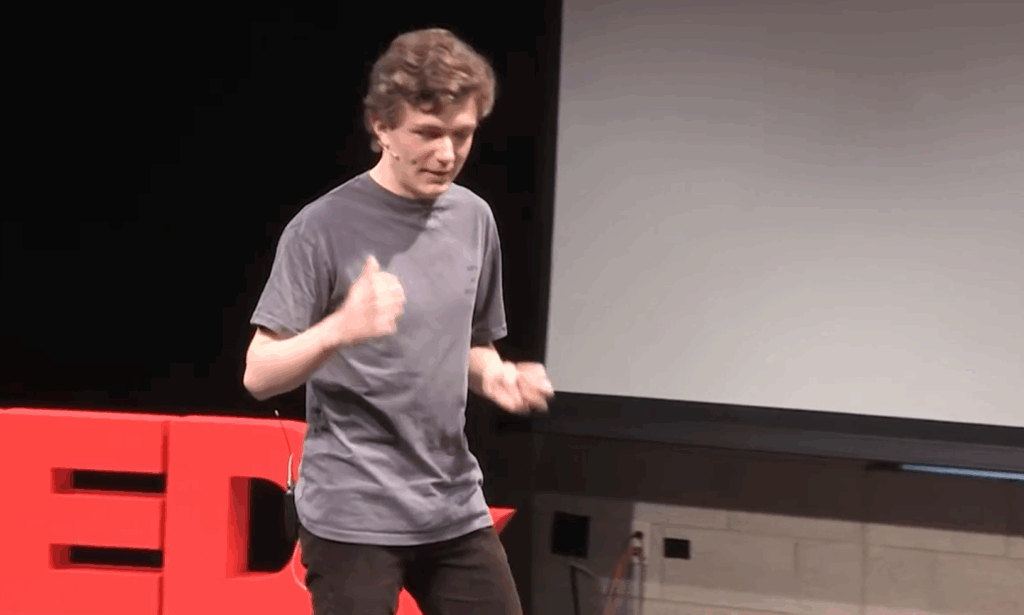
Another video called “Alone, Together: How Technology Separates Us” by Henry Williams (TEDx) talked about how we can be physically together but mentally alone. He mentioned that people can sit in the same room, each looking at their phone, not talking to each other. He also talked about the “Dunbar number” which says humans can only really maintain around 150 meaningful relationships. Now with social media, we’re exposed to thousands of people every day. That can be overwhelming and make real life connections feel less important. I thought his personal story was interesting too. He said online gaming communities helped him feel less alone during a hard time. But it also made him feel disconnected from his real life. I think that’s true for a lot of people. Technology can help us feel less lonely when we have no one else. But at the same time, it makes it easier to avoid actually connecting with the people around us. Heh, like what I did with the heading? It’s ironic, isn’t it? Because when you are together, you wouldn’t be feeling “alone”.
Explicit reading: This video shows that technology makes us ignore the people physically with us.
Implicit/Symptomatic reading: The deeper meaning is society fears losing authentic connection due to technology (hegemonic), reinforcing anxiety about becoming isolated despite being “connected.”
3. Phones Change Us
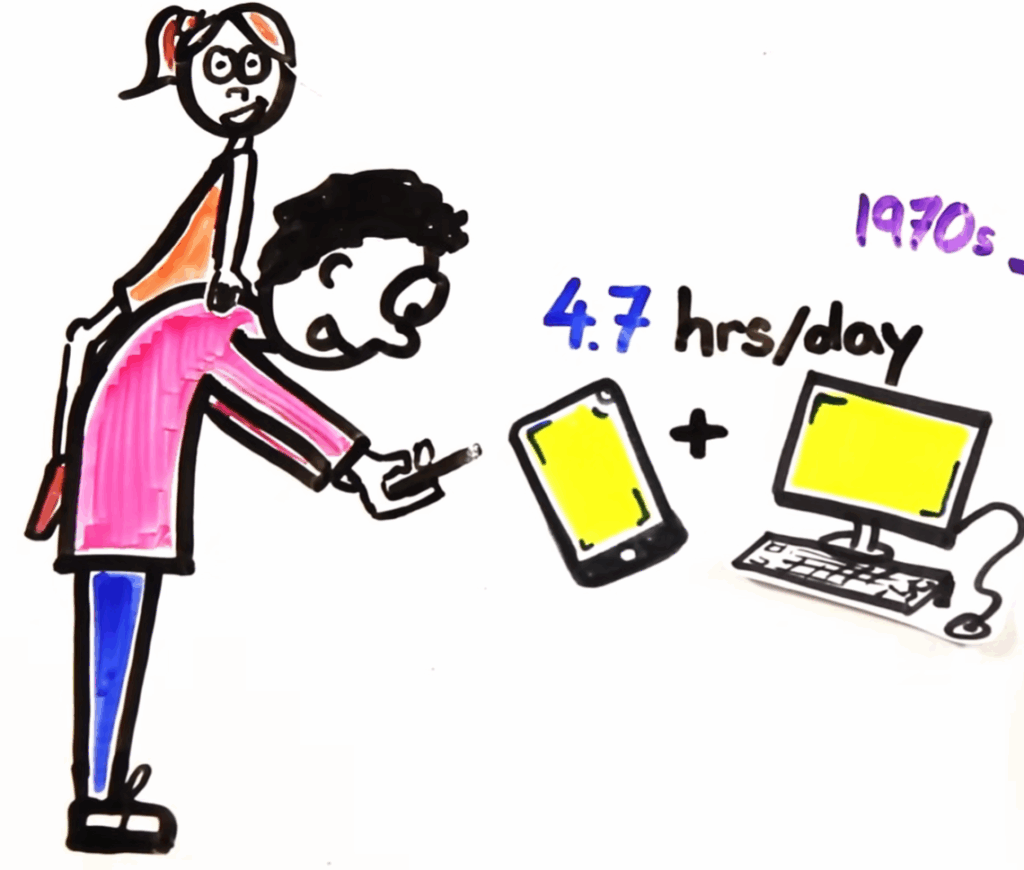
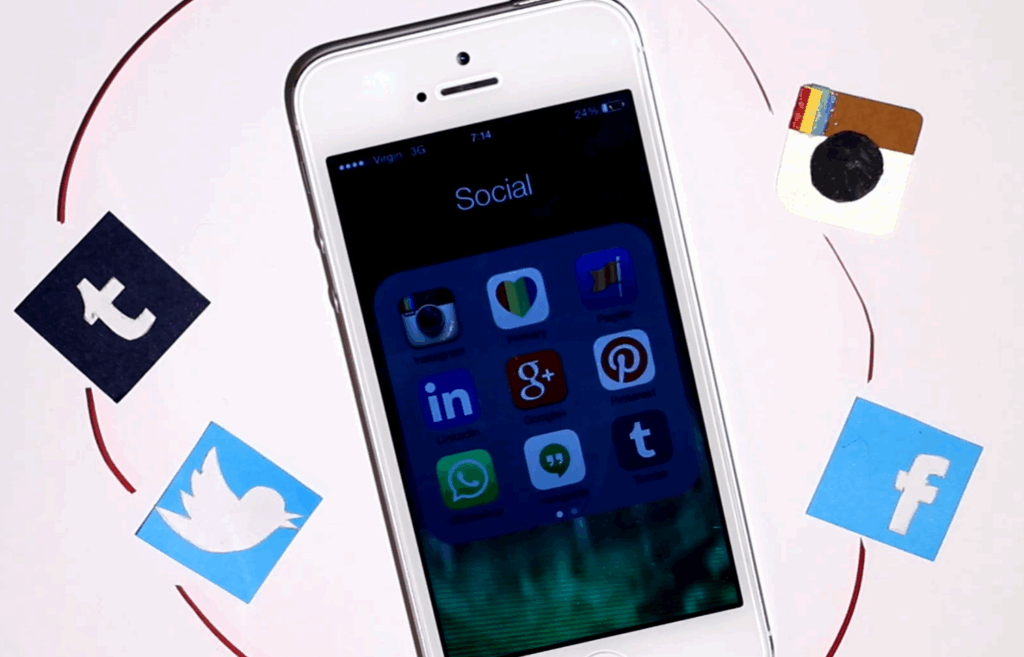
The third video I watched was “How is Your Phone Changing You?” by AsapSCIENCE. This video didn’t talk directly about relationships like the others did, but it showed how phones are changing us in ways that can definitely affect how we connect with people. They explained how looking down at your phone puts the same pressure on your neck as if an eight-year-old child was sitting on it! That image stuck with me because almost everyone I know, including myself, spends hours looking down at a screen every day. They also said that 93% of young people use their phones to avoid boredom instead of reading or talking to the people around them. I feel like that matters for relationships because if we’re always distracted by our phones, we don’t really give the people with us our full attention. Even though the video focused more on the physical and neurological effects of phones, it made me think about how addiction to scrolling or needing constant entertainment can make it hard to build meaningful connections. I think being able to sit with someone without needing to check your phone every few minutes shows a kind of presence and care that’s becoming rare now.
Explicit reading: Phones affect our health and attention, which changes how we interact.
Implicit/Symptomatic reading: The deeper meaning is about technological addiction reducing meaningful presence, reinforcing society’s warnings about screen time (hegemonic).
4. Technology Isn’t The Problem
Another video I watched was called “Does Technology Ruin Relationships?” by BrainCraft. It didn’t really take a clear “yes” or “no” side. Instead, it explained that technology itself isn’t what ruins relationships. It’s more about how we choose to use it. As they say, “They’re tools that enable your behaviours, whether you’re bad or good. It’s not technology, it’s you.” They mentioned that our phones hold so much of our lives like our contacts, messages, photos, and memories. They become like a record of our life, our relationships, and who we are. I thought that was true because sometimes when I look back at old photos or chats, it feels like I’m looking at pieces of my life I almost forgot. The video also talked about how using social media can create jealousy in relationships like when people spend too much time on Facebook and start comparing their lives to others. But at the same time, technology can help people feel close when they’re apart. The creator said that we’re not really addicted to our devices but more to each other and the way our phones let us stay connected. It’s honest. It made me think that maybe phones aren’t as much of a problem as we make them out to be. It’s just that they amplify what we’re already feeling inside, sort of.
Explicit reading: This video says technology isn’t the problem; it’s how we use it.
Implicit/Symptomatic reading: The deeper meaning is about personal responsibility rather than blaming tools, which is hegemonic because it supports the idea that it’s the user’s fault rather than technology’s design.
5. Breaking Language Barriers
Lastly, I watched “I Quit.” by Quackity where he announced a translation tool called Dababel that lets you speak any language while keeping your very own voice which I thought was pretty incredible! Even though this video wasn’t directly about relationships, I still wanted to include it because it shows how digital tools and the YouTube platform can help people connect. For example, if someone travels to Japan or Brazil, they could use Dababel to have real conversations with people there without needing to spend years studying the language first. I feel like that would make meeting others and understanding different cultures feel more personal instead of just using generic translator voices. I also thought about how this tool could help people who have family members that speak a different language. In the video, Quackity showed a father and son who were able to finally talk in Spanish using Dababel and the dad said it almost made him cry hearing his son speak his language with his real voice. It shows how YouTube gives creators the space to share meaningful resources like this with the world. Without platforms like YouTube, I probably would’ve never known a tool like Dababel existed. It’s kind of cool to think about how a single video can introduce people to something that makes social connections easier like crossing the language barrier. In the end, that’s what digital tools should be about, to help us understand each other better.
Explicit reading: Dababel helps people talk to others in any language with their real voice.
Implicit/Symptomatic reading: The deeper meaning is about global unity and inclusivity, which is transgressive because it challenges language barriers that separate people.

Conclusion
Before watching these videos, I’ve always had a negative perspective on digital tools like social media because of how it’s been used to spread misinformation, unrealistic expectations, dopamine overdose, and time spent idling. But after watching all these videos, I realized that not all digital tools are just good or bad. They’re both at the same time. They make it easier to stay in touch with people far away, meet others we never would have met, and learn things that can help us grow. But they also make it easy to feel lonely, to compare ourselves to everyone else, and to lose focus on what really matters in front of us. I think the main thing is we need to be intentional about how we use technology. It’s just a tool. We can use it to build real connections or we can use it to run away from reality. At the end of the day, it depends on what we choose to do with it.
Sources
- “Does Technology Ruin Relationships?” by Stay Slick with Kit
https://www.youtube.com/watch?v=2q4o-4dGWdA - “Alone, Together: How Technology Separates Us” by Henry Williams (TedX)
https://www.youtube.com/watch?v=Bp05RuefBqM - “How is Your Phone Changing You?” by BrainCraft
https://www.youtube.com/watch?v=W6CBb3yX9Zs - “I Quit.” by Quackity
https://www.youtube.com/watch?v=OGbDBubqQdg