Assignment #1
Research Project Plan
How Are Digital Tools Changing How We Experience Loneliness?
I think I’ve always been curious about loneliness, even before I really knew what it meant. Growing up, I spent a lot of time online and alone, watching videos, reading posts, and scrolling for hours. It felt like I was connected to so many people, but at the end of the day, it was just me and my screen. I guess that’s why I want to answer this question about how digital tools are changing how we experience loneliness. It’s a strange contradiction when you think about it, feeling surrounded by so many people online but still feeling like no one actually knows me… right?
Why Do I Care?
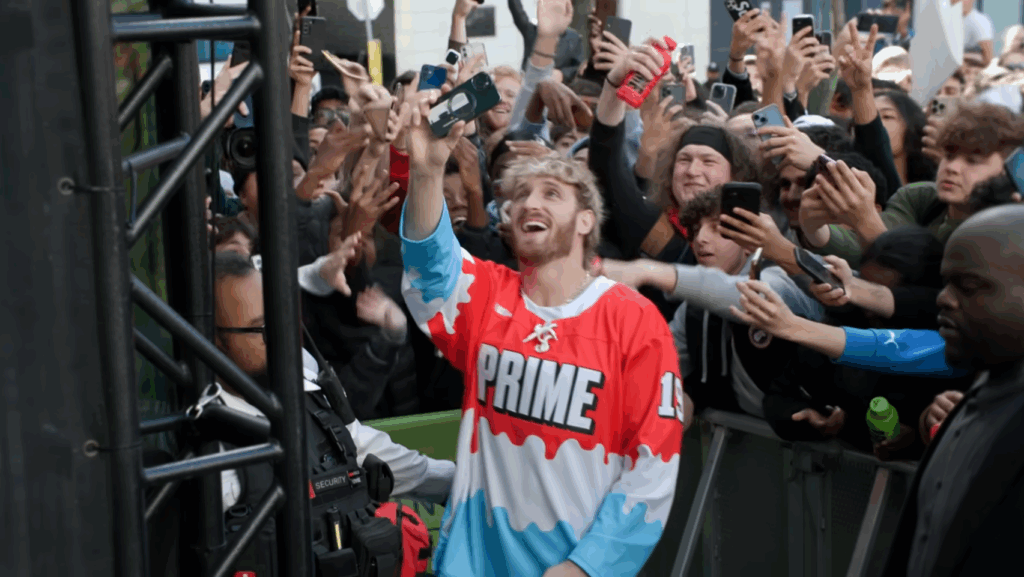
I care about this question because I see it everywhere now. Sometimes I watch YouTube videos where creators talk about mental health, loneliness, or burnout. Other times, I see creators like Logan Paul posting highlight reels of the ”best year of their life” with achievements most people can only dream of, the sort of content that makes people compare their own life to a somewhat ‘unattainable life’. And I wonder how all these different messages affect the way we feel about being alone. Are digital tools making loneliness worse by giving us unrealistic lives to compare ourselves to? Or can they actually help us feel less alone by letting us connect with other people in an accessible manner?
Why is the Question Important on a Broader Level?
On a broader level, I think this question matters because loneliness isn’t just about feeling sad. It can impact mental health, physical health, and how we see ourselves. If digital tools are changing what loneliness feels like, then it’s important to understand how it’s prominent in our modern digital age. Because the way we use these tools might either help reduce loneliness or amplify it without us even realizing.
The Impact of Limiting Social Media
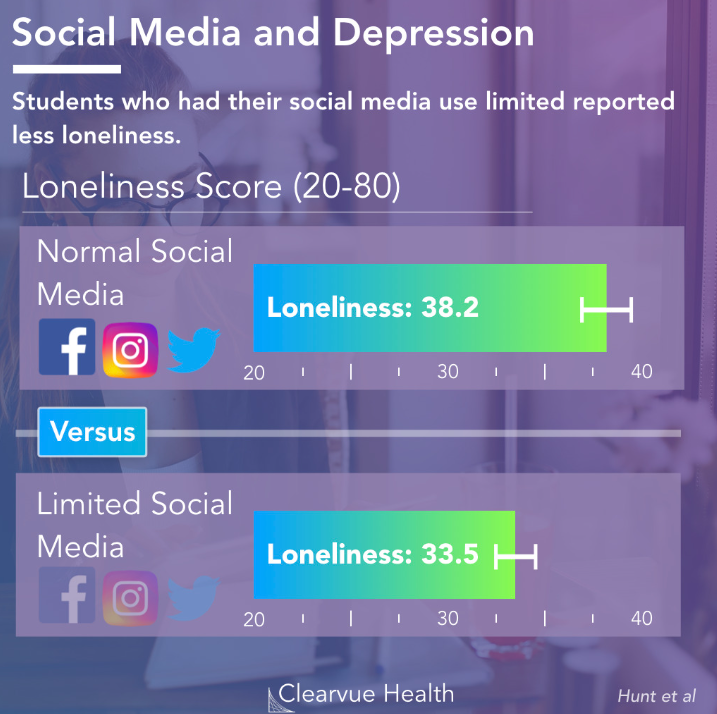
There’s a research I found showing how this plays out, a study that measured students’ loneliness scores using the UCLA Loneliness Scale. The control group was allowed social media as they normally did and had an average loneliness score of 38.2 out of 80. But students who limited their social media use to just 10 minutes per day per platform had a lower loneliness score of 33.5. There was a statistically significant difference. Seeing numbers like that makes it clear that how we use these tools has a real emotional impact after all.
Too Connected to Feel Close
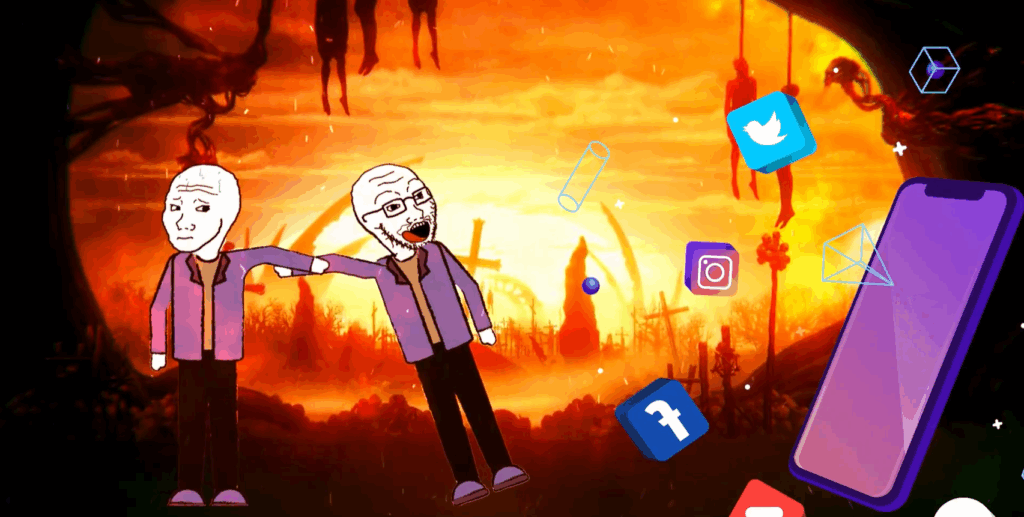
Right now, I think there’s a misunderstanding about loneliness and digital life. People often say social media is bad for you or that spending too much time online makes you lonely. But it’s more complicated than that. For example, in Hamza’s video, “Social Media Is Making Everyone Lonely,” he talks about how social media feeds us irrelevant social information about people we don’t even know, making us feel left out for no reason. People are connected through social media. Or perhaps too connected. It’s hard not to feel depressed if this is the current state of our generation. If only we could take away their addictions from technology?
Hollow Validations
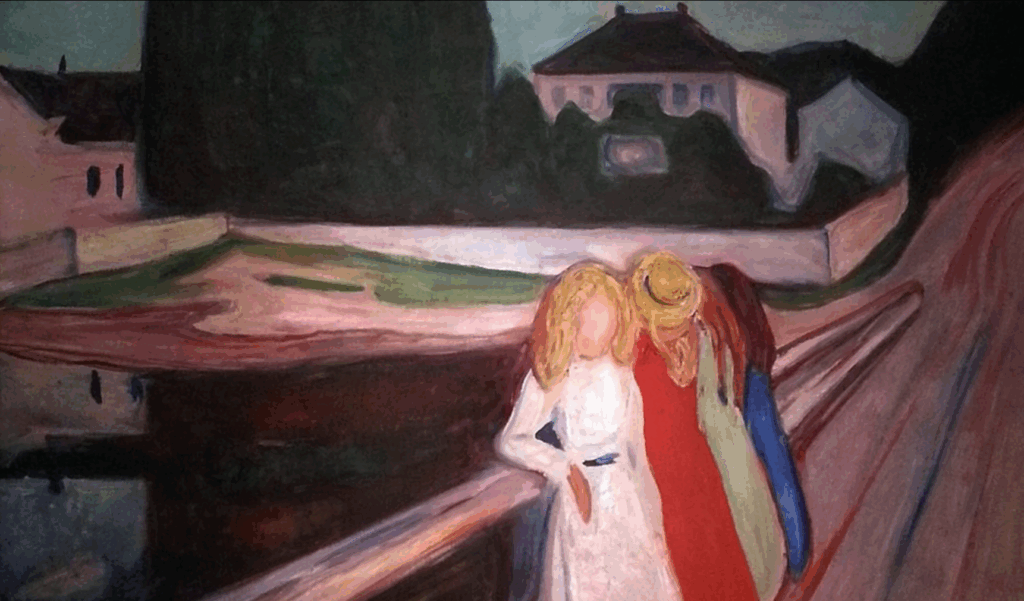
Then there are videos like “Social Media and the Psychology of Loneliness” by Academy of Ideas that go deeper, saying loneliness is more about an undeveloped sense of self that social media can hide or expose. They make a statement that “The social validation that is gained through social media use is as empty as the people who granted…” That line seems to be saying: the kind of validation you get on social media in the forms of likes, comments, follows, don’t carry much emotional weight if it’s coming from people who don’t genuinely know you or care about you. It’s like getting applause from a crowd that disappears the moment the screen turns off. It’s more about appearances than actual connection. It’s a harsh way of putting it, but it gets into the idea that digital affirmation can feel hollow, especially when we start to rely on it too much. You know what they say: going to social media for comfort is like placing a bandage over a gunshot wound.
Inspiration or Isolation?
Then, there are videos like Logan Paul’s “WHY 2023 WAS THE BEST YEAR OF MY LIFE” where he shares his achievements like becoming WWE Champion, getting engaged, and launching some billion dollar brand. Watching that can feel motivating, but for some people, it sort of reminds them that they don’t have that life, making them feel even more alone.
Why This All Matters
I think this idea that loneliness is just about not having people around needs to be reconsidered. It’s also about how digital tools shape the way we see ourselves compared to others and how we create our identities in spaces that aren’t truly real.
I hope that by answering this question, I can learn how to be more intentional with the way I use digital tools. I also hope it helps others see that feeling lonely isn’t just their fault for “not having friends” but is connected to environments that shape our emotions. Maybe it can help create spaces online that feel less of a performance and more genuine where people don’t feel pressured to appear perfect all the time. I think if we can understand the emotional effects of digital tools, then we can design or use them in ways that make people feel less isolated, even when they’re sitting alone in their room with just their phone.
Sources
- Logan Paul’s “BEST YEAR OF MY LIFE” 2023: https://www.youtube.com/watch?v=4IVUEI6U-PU
- Hamza’s “Social Media is Making Everyone Lonely”: https://www.youtube.com/watch?v=7-jD6zD61ME
- Academy of Ideas’ “Social Media and The Psychology of Loneliness”: https://www.youtube.com/watch?v=FQ40hdQVndI
- clearvuehealth’s infographic: https://www.clearvuehealth.com/b/social-media-depression/


I see. I’ve never thought it from this perspective before. Thank you for this valuable insight.