Final
Summary of Assignment 1: How are Digital Tools Changing Our Social Connection?
For my first assignment, I started by watching a bunch of videos that talked about how technology affects the way we connect with others. I picked this topic because I often feel mixed about digital tools like social media. Sometimes they make me feel close to people but other times they make me feel lonely or distracted. My goal was to understand both sides better and see how these tools are really changing our social lives. I watched videos and read research about social media, mental health, and loneliness. One study showed that students who limited their social media time felt less lonely which means how we use these tools really matters. Some videos explained that social media often feeds us random updates from people we barely know which can make us feel left out or depressed for no clear reason. It’s like being “too connected to feel close.” Other videos talked about how social media likes and comments can be empty validations. They don’t replace real connection with people who truly care about us. One video said it’s like “getting applause from a crowd that disappears the moment the screen turns off.” That helped me understand how digital tools can sometimes make loneliness worse by making us depend on shallow approval. I also saw examples of people sharing their perfect lives online like Logan Paul’s videos about his success. For some, it might be inspiring but for others, it can create more pressure and feelings of being left out or not good enough. This first assignment helped me realize that loneliness is complicated. It’s not just about being alone but also about how digital spaces online shape how we see ourselves and others.
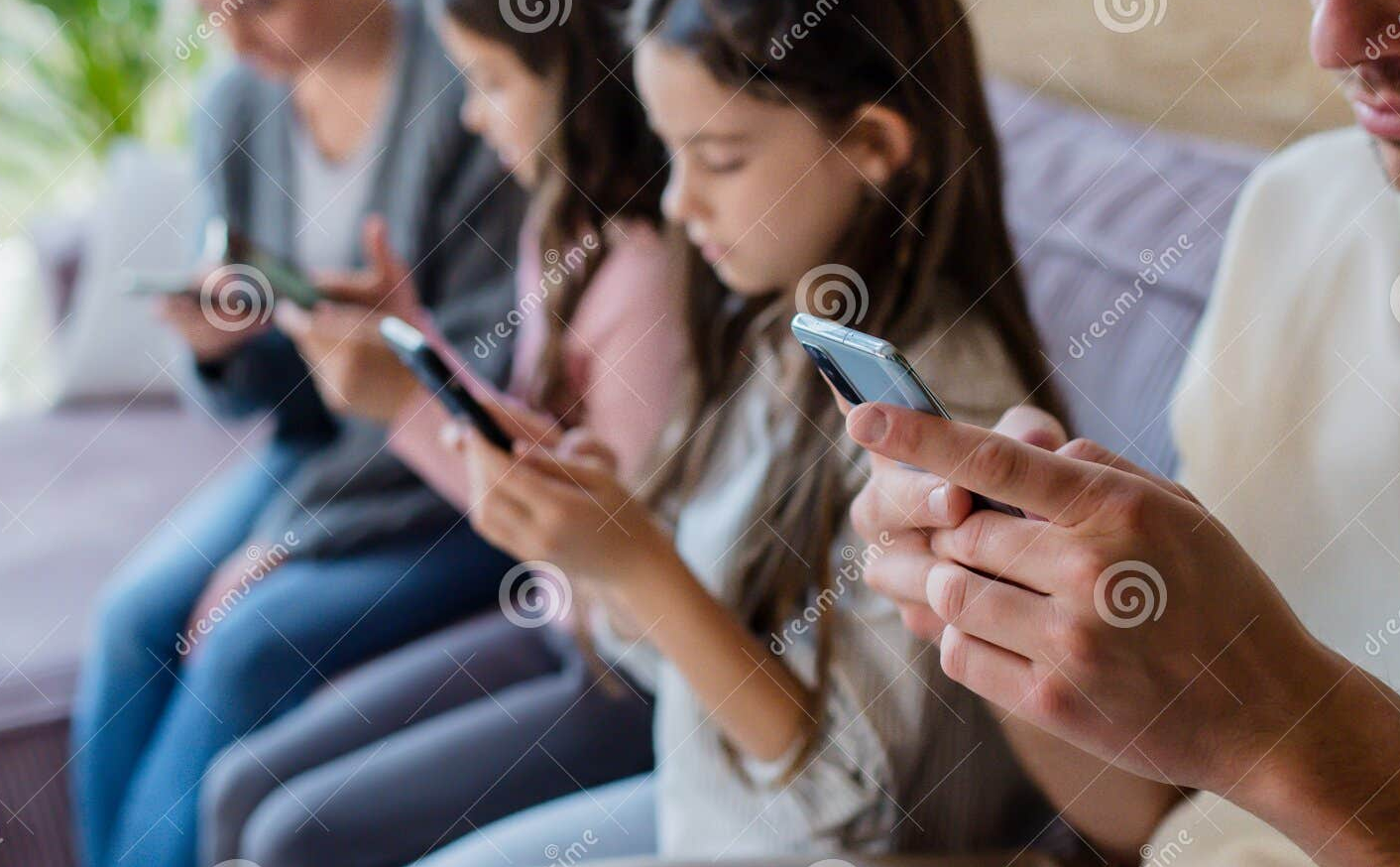
Family with two daughters using phones
Findings from Assignment 2: YouTube as a Unique Social Platform
For the second assignment, I took a closer look at YouTube platform itself to understand how it shapes social connections. Unlike platforms like Instagram or TikTok, YouTube is mainly for watching videos and not direct social interaction which made this research a bit tricky. This makes it a different kind of social space. One big idea I learned was about parasocial relationships. This is when viewers feel close to creators they watch often even though the connection mostly goes one way. For example, people might follow a family vlogger like Jazlyn Mychelle and feel like they know her life but she doesn’t actually know them. This creates a kind of bond that feels real but isn’t equal. YouTube’s design supports this in many ways. The endless video recommendations and autoplay keep viewers engaged but the comment sections don’t usually allow deep, private conversations. Instead, comments just become this public space where people share thoughts or feelings with others who watch the same videos. From what I saw, these parasocial connections can be positive. They offer comfort and a sense of belonging especially when people relate to a creator’s story or message. At the same time, these relationships can be misleading because they don’t provide the give-and-take of typical friendships. This assignment helped me realize that YouTube changes social connection by creating spaces where people can feel understood without real mutual interaction. It’s a complicated situation and balance between feeling less lonely through these one-sided connections and the risk of confusing them with true friendships.
Snapshot from Jazlyn Michelle’s Jamaica Vlog

Findings from Assignment 3: What Videos Say About Loneliness and Connection
For the third assignment, I focused on a few videos that helped me see loneliness in the digital age from new angles. I looked closely at two videos that made me think the most. The first was “Does Technology Ruin Relationships?” by BrainCraft. What stood out was when they said “It’s not technology, it’s you.” This felt real because it shows that technology itself isn’t bad or good, but it depends on how we use it. They explained that phones hold so much of our lives: contacts, memories, conversations. But they also said social media can create jealousy or comparison which can hurt relationships. What I noticed was how the video didn’t blame technology but pointed to personal choice. That made me think about how much responsibility we have in using these tools well instead of just blaming the apps or devices. The second video I focused on was “Alone, Together: How Technology Separates Us” by Henry Williams’s TedX Talk. He talked about being physically with people but mentally somewhere else like when everyone is on their phones in the same room. He also explained the “Dunbar number” which says humans can only really keep 150 meaningful relationships but social media exposes us to thousands. This can make real connections feel less important or overwhelming. His story about online gaming communities helping him feel less alone but also disconnected from real life felt relatable to me. Technology can both connect us and create distance. Both videos showed that loneliness today isn’t just about being alone but about how digital tools shape our attention and emotions. Sometimes we might be surrounded by people or online connections but still feel isolated because we aren’t fully present or engaged in them. That made me realize that these tools amplify what’s already inside us. If we’re anxious or lonely, they can make it worse. But if we use them intentionally, maybe they can help us feel closer. Overall, this assignment helped me see that digital tools don’t automatically ruin or fix loneliness but instead, they offer new ways to be connected or isolated depending on how we approach them.

Image from What is Dunbar’s Theory?
Findings from Assignment 4: Quiet Communities in YouTube Comments
For assignment four, I observed the LoFi Girl YouTube community and I was surprised by what I found. The comments under LoFi Girl’s videos were different from the usual. They’re full of kindness, honesty, and support. This community feels like a quiet gathering place where people come to listen to chill music while studying, working, or just relaxing. More importantly, the comment sections have become spaces where strangers share personal struggles and encouragement. One person wrote “I don’t want much, I just want the person reading this to be healthy, happy, and loved” and thousands of others responded with thanks and virtual hugs. What’s unique here is that unlike many online spaces, this community isn’t built around fandom or identity and there isn’t heavy moderation or structured rules. Yet somehow, the comment section is overwhelmingly positive. The calming music and simple animations create a safe space where people feel comfortable sharing their vulnerability. This kindness and connection contrasts with my usual expectation that YouTube comments are brief, chaotic or hostile. The comments varied and touched loneliness directly or indirectly. One person said “Thank you, LoFi Girl. You were my company in the darkest and longest nights of hard work… a space with a pleasant community willing to chat when feeling alone.” Another wrote “I like being alone, I just don’t like being lonely.” These show how the community answers a real human need for connection and emotional support. Even beyond LoFi Girl, I saw similar small communities forming in music comment sections where people shared grief or comforted each other. For example, a comment on another Lofi Girl video said “My mom passed a month ago. Hearing this makes me think of her… I pray to meet her in another life someday.” The replies were simple and real. The music comment sections across YouTube became places for healing and social connection, and there are plenty of others under different YouTube genres. My digital ethnography taught me that digital tools like YouTube don’t only spread misinformation or misinformation. Sometimes, spaces under YouTube videos allow people to be heard in their struggles and find kindness among strangers. The LoFi Girl community matters because it shows how even simple comment sections can become places of connection and comfort. It shows how deeply people long for human connection, even with strangers online. Digital tools can help meet this need in a surprising and beautiful way.

Comment under Lofi Girl’s Best of lofi hip hop 2021
Conclusion: My Response to Digital Tools and Social Connection
Looking back on everything I researched across these assignments, I see that digital tools are changing social connections in a complex and sort of contradictory ways. My original question was about how these tools influence loneliness and connection in today’s digital world. My findings show that digital tools can both create challenges and open up new possibilities for how we relate to each other. From assignment one, I learned that social media and dating apps often increase feelings of loneliness and comparison by offering too many options and unrealistic expectations. So then people are lead to treating relationships like consumer choices rather than genuine connections. Assignment two deepened this by showing how platforms like YouTube doesn’t really fit the typical social media structure. They create unique communities that are more about shared experience than constant interaction. Assignment three’s analysis of the video showed that technology itself isn’t the problem, but it’s how people use it that shapes their social lives. Finally, assignment four’s look into the LoFi Girl community showed that even a simple YouTube comment section can become a caring space that helps people feel less alone. Putting this all into perspective, I think digital tools don’t just change our social connections by adding or taking away from them. Rather, they amplify what’s already inside us like our fears and our hopes and our needs for connection. Technology can encourage distraction and comparison which enhances loneliness if we’re not careful. But still, it can provide the space which can also create new ways to support each other and find community. The key takeaway is that digital tools like these have great potential to turn loneliness into connection but this transformation needs intention and care for it to work well. People need to be mindful about how they spend time online and remember the humanity behind every profile or comment! I hope digital tools evolve to better support meaningful connection rather than distraction or superficiality. This could mean YouTube could implement design changes that promote this sense of presence and empathy where people feel heard and supported. The examples I found whether it’s the supportive LoFi Girl comment sections or from other YouTube communities show there is real craving for kindness and understanding in this digital world. If we use digital tools thoughtfully, they can help bring together loneliness and build connections that feel authentic, whether it’s with the people physically present with you or even across screens. It gives me hope for the future of social connection in this digital age.